
What if the most important skill your child needs for the future isn't finding the correct answer but knowing how to make the right decision when there is no clear answer?The world children are growing up in today is changing faster than ever. Artificial intelligence, global challenges, and constant innovation are transforming the way we …
What if the most important skill your child needs for the future isn’t finding the correct answer but knowing how to make the right decision when there is no clear answer?
The world children are growing up in today is changing faster than ever. Artificial intelligence, global challenges, and constant innovation are transforming the way we live, work, and solve problems. In such a world, success is no longer defined only by what students know; it depends on how effectively they can think, analyse situations, evaluate possibilities, and make thoughtful decisions.
From choosing a career path and solving conflicts to leading a team or responding to unexpected challenges, decision-making influences every stage of life. But how do students develop this ability from an early age?
The answer lies in an education approach that goes beyond memorising information. Cambridge learners are encouraged to ask questions, explore ideas, examine evidence, and consider different perspectives before reaching conclusions. They are not simply taught what to think; they are empowered to understand how to think.
This approach helps transform curious students into confident problem-solvers who are ready to face real-world challenges with independence and purpose.
Why Decision-Making Matters in the 21st Century?
Artificial intelligence has transformed how we access information. Today, the challenge is no longer finding answers—it is deciding which answers to trust, when to use them, and how to act on them. As AI becomes part of everyday life, the ability to make thoughtful, ethical, and informed decisions is becoming one of the most important human capabilities.
The World Economic Forum identifies analytical thinking, resilience, and creative thinking among the most important skills for the future workforce. Underpinning each of these is the ability to make sound decisions. Whether students are evaluating AI-generated information, selecting reliable sources, collaborating with others, or navigating unfamiliar situations, they must learn to weigh evidence, consider multiple perspectives, anticipate consequences, and adapt when new information emerges.
Research in cognitive science also shows that expertise is not simply about knowing more facts—it is about applying knowledge effectively in new and complex situations. This requires judgement. While AI can generate options, suggest solutions, and automate routine tasks, it cannot replace human responsibility for making ethical, contextual, and value-based decisions.
At Empyrean, we believe students should not simply learn what to think but how to think before they decide. Through inquiry, reflection, discussion, and authentic problem-solving, learners develop the confidence to make informed choices, take ownership of their actions, and learn from both successes and setbacks. These experiences prepare them not only for examinations, but for a future where human judgement will be more valuable than ever.
Inquiry-Based Learning Encourages Independent Thinking
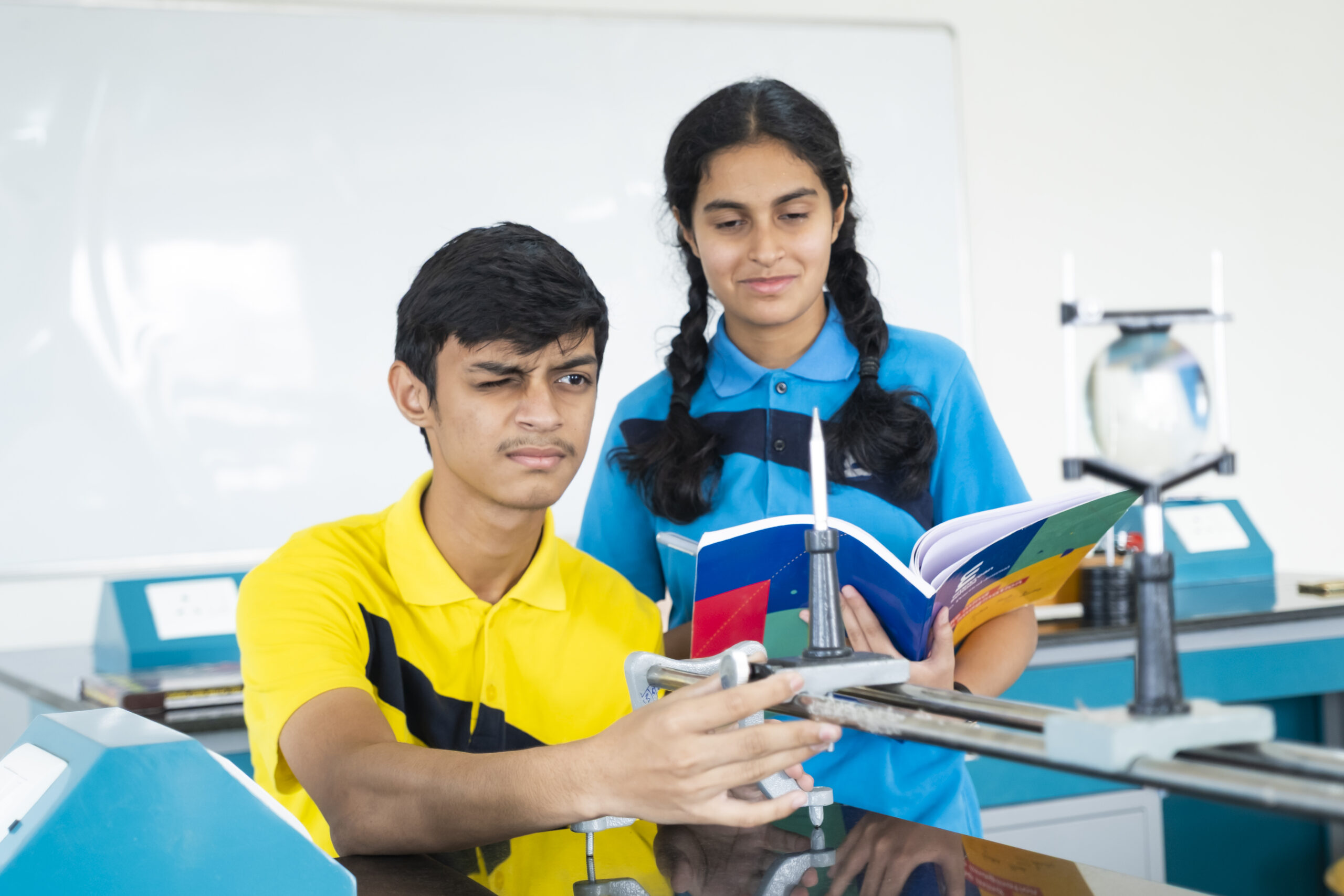
One of the defining characteristics of Cambridge education is its inquiry-based learning approach. Instead of simply receiving information, students actively explore concepts through questions, research, discussions, and hands-on activities.
For example, while learning about environmental sustainability, students may be asked to investigate local issues, collect data, compare solutions, and recommend the best course of action. This process strengthens their ability to analyse information objectively before making decisions.
Such experiences prepare children to approach future challenges with confidence and logical reasoning rather than relying solely on memorised answers.
Real-World Projects Make Learning Meaningful
Cambridge classrooms connect academic concepts with real-life experiences. Project-based learning enables students to solve practical problems that mirror situations they may encounter in their future careers.
Whether designing innovative solutions, conducting scientific investigations, or presenting business ideas, students learn to:
- Gather relevant information
- Work collaboratively
- Evaluate risks and opportunities
- Defend their decisions using evidence
These authentic learning experiences help children understand that every decision carries responsibility and requires thoughtful consideration.
Collaboration Builds Better Decision-Makers
Decision-making rarely happens in isolation. In professional environments, people must work with diverse teams, respect different opinions, and arrive at shared solutions.
Cambridge classrooms regularly encourage collaborative learning through discussions, debates, presentations, and group projects. Students learn to:
- Listen actively
- Respect differing perspectives
- Support ideas with evidence
- Reach consensus through communication
These experiences strengthen interpersonal skills while teaching students how to make balanced decisions in team settings.
Reflection Helps Students Learn from Experience
Another unique feature of Cambridge education is reflective learning. Students are encouraged to evaluate their own work, identify strengths, recognise areas for improvement, and consider how they can perform better next time.
Reflection transforms every success and setback into a valuable learning opportunity.
Instead of fearing mistakes, learners understand that thoughtful reflection improves future decision-making and builds resilience—qualities that are essential in today’s rapidly changing world.
Preparing Students for Global Challenges
Today’s students are tomorrow’s innovators, entrepreneurs, scientists, and global citizens. Cambridge education equips learners with a global perspective by exposing them to international issues and encouraging cross-cultural understanding.
Students examine global topics from multiple viewpoints while learning to think ethically and make informed choices that consider social, economic, and environmental impacts.
This broader perspective helps children become compassionate leaders capable of making decisions that positively influence their communities and the wider world.
Why Parents Choose the Best Cambridge Schools in Kharghar?
Parents searching for the Best Cambridge Schools in Kharghar often look beyond academic rankings. They seek schools that cultivate curiosity, creativity, emotional intelligence, and practical life skills.
The Best Cambridge School creates an environment where children are encouraged to ask questions, explore ideas, collaborate with peers, and confidently express their opinions. Through experiential learning, interdisciplinary projects, technology integration, and personalised guidance, students become independent thinkers prepared for the future.
Schools that combine academic rigour with holistic development help learners build not only subject knowledge but also the confidence to make thoughtful decisions in complex situations.
In a future filled with uncertainty and constant change, decision-making will remain one of the most essential life skills. Cambridge education develops this ability through inquiry, collaboration, reflection, and real-world learning experiences that encourage students to think independently and act responsibly.
For families exploring the Top Cambridge Schools in Kharghar, choosing a school that prioritises critical thinking and practical learning can make a lasting difference. The Best Cambridge Schools in Kharghar go beyond preparing students for examinations—they prepare them to navigate life’s challenges with confidence, resilience, and purpose.
When children learn how to think rather than what to think, they become capable of making informed decisions that shape successful futures.