What if one of the most important things a child learns at school is not an answer, but how to find the answer?Independent thinking begins much earlier than secondary school. It develops when young children are encouraged to ask questions, make choices, explain their reasoning, try again after mistakes, and take responsibility for their learning. …
What if one of the most important things a child learns at school is not an answer, but how to find the answer?
Independent thinking begins much earlier than secondary school. It develops when young children are encouraged to ask questions, make choices, explain their reasoning, try again after mistakes, and take responsibility for their learning. These everyday classroom habits gradually build confidence, curiosity, problem-solving ability, and self-regulation.
Research supports the importance of these skills. The Education Endowment Foundation reports that metacognition and self-regulation approaches—where students learn to plan, monitor, and evaluate their learning—can have an average impact equivalent to eight additional months of progress.
For families exploring a primary school in Kharghar or a pre-primary school in Navi Mumbai, it is therefore worth looking beyond textbooks and test scores. The classroom environment and teaching practices can play a major role in helping children become confident, independent learners.
Why Independent Thinking Should Begin Early
Independent thinking does not mean expecting a five-year-old to solve every problem alone. It means giving children age-appropriate opportunities to think before adults step in.
Harvard’s Center on the Developing Child explains that executive-function skills—including attention, working memory, self-control, planning, and flexible thinking—develop through practice and experience.
A good early-years classroom, therefore, provides what educators often call scaffolding: enough guidance to help a child succeed, followed by gradually less support as the child’s confidence grows.
For example, instead of immediately tying a child’s shoelaces, a teacher might demonstrate the first step, ask the child what comes next, and allow them time to try. The lesson is bigger than the task: I can work this out.
Classroom Habits That Encourage Independent Learners
1. Asking “Why?” and “How?” instead of only “What?”
Questions are powerful tools for developing independent thought.
Instead of asking only, “What is the answer?”, teachers can ask:
- “How did you arrive at that answer?”
- “Why do you think that happened?”
- “Can you find another way?”
- “What would happen if we changed this?”
- “What evidence supports your idea?”
This approach turns children from passive recipients of information into active participants in learning.
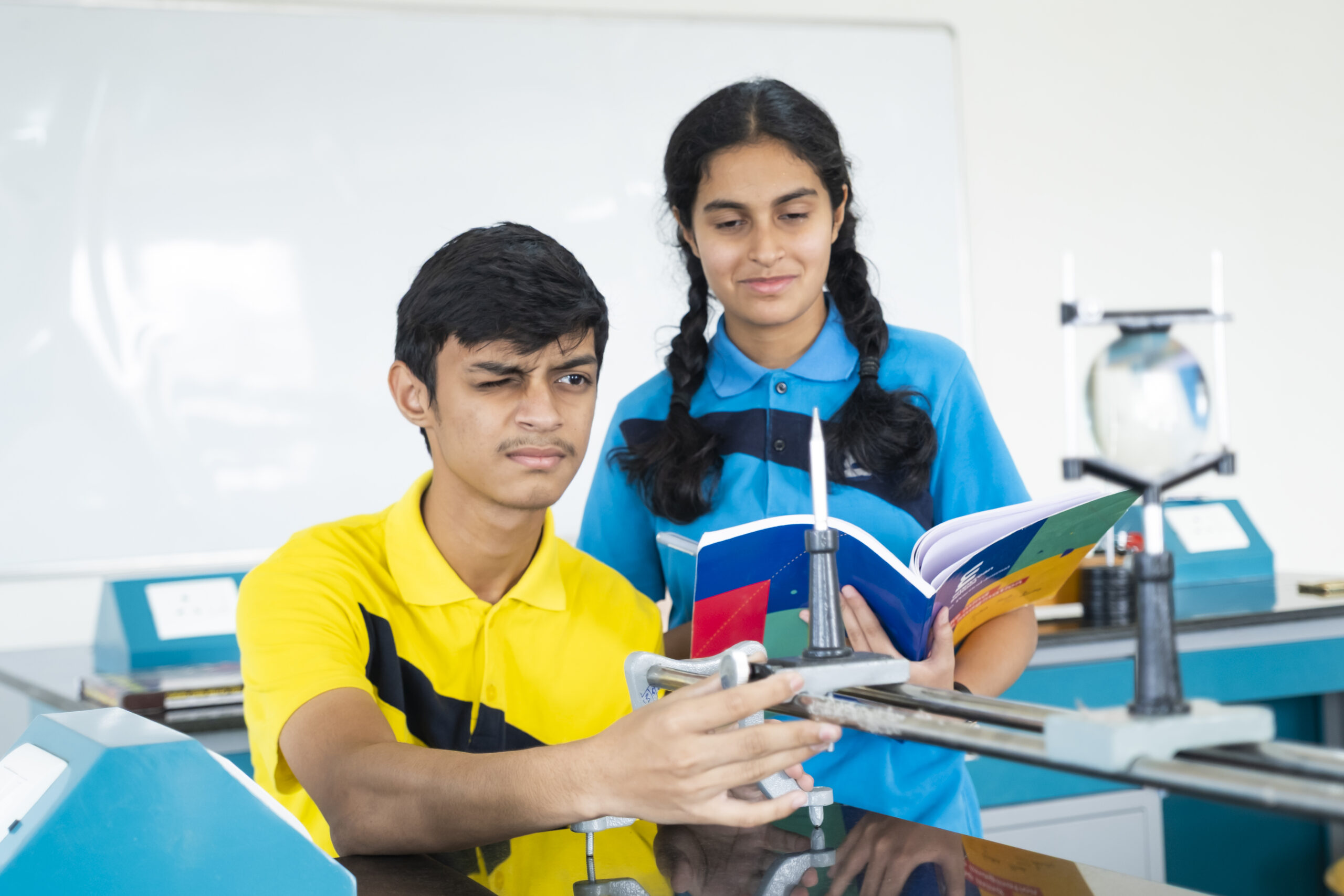
Empyrean School’s approach reflects this emphasis on curiosity and enquiry. Its primary programme highlights experiential learning, while interdisciplinary research and investigation projects from Grade 3 are designed to build inquiry skills and scientific thinking.
2. Giving Children Meaningful Choices
Independence grows when children experience genuine decision-making.
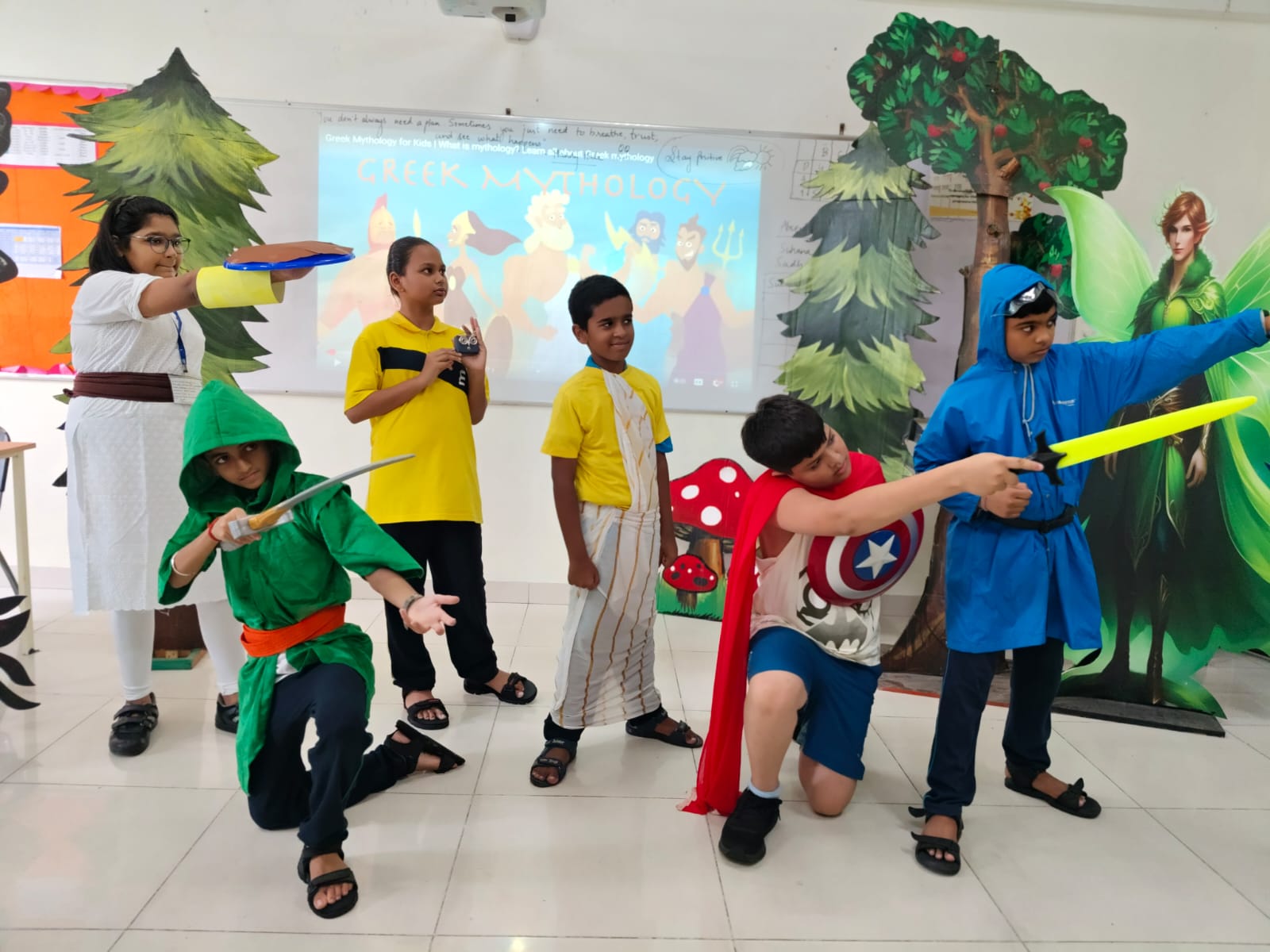
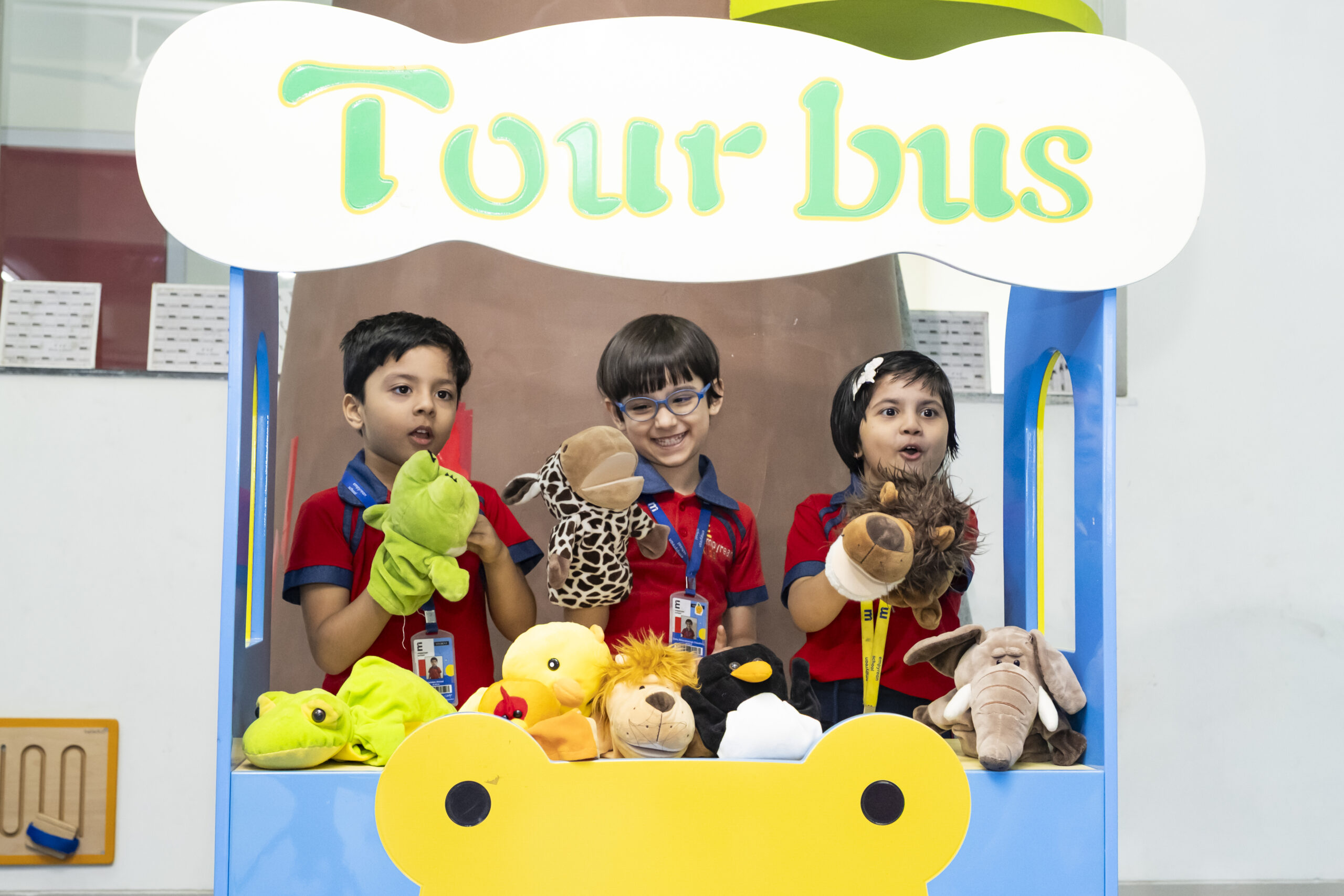
In a pre-primary classroom, a teacher might allow children to choose between drawing, building, or role-play after a story. In primary school, students could choose how to present what they have learned—a poster, model, written explanation, or presentation.
The choices should be purposeful rather than unlimited. A child who regularly makes small decisions learns to consider options, predict outcomes, and take ownership of the result.
This is particularly valuable in a Pre-Primary School in Kharghar, where learning through play and exploration can make decision-making feel natural rather than forced.
3. Making “Mistakes Are Part of Learning” a Daily Habit
Children who are afraid of being wrong often stop taking intellectual risks.
Teachers can change this by treating mistakes as information. When an answer is incorrect, instead of simply providing the correct response, they can ask, “Let’s look at what happened. Which step would you change?”
This encourages children to analyse mistakes rather than hide them.
It also develops resilience—the willingness to continue when something does not work the first time.
4. Encouraging Children to Explain Their Thinking
A child may reach the correct answer without understanding the underlying idea. Asking them to explain their reasoning makes their thinking visible.
For instance, in mathematics, a teacher might ask a student to explain two different ways of solving a problem. During reading, children can discuss why a character behaved in a particular way and support their opinion with details from the story.
These conversations build language, reasoning, listening, and perspective-taking skills simultaneously.
5. Building Reflection Into the School Day
Independent learners eventually need to ask themselves three important questions:
What am I trying to do?
How am I doing?
What should I do next?
Even young children can practise this through simple reflection prompts such as:
- “What was easy today?”
- “What was challenging?”
- “What did you discover?”
- “What would you try differently next time?”
These habits introduce children to metacognition—the ability to think about and manage their own thinking. According to the EEF, effective metacognitive strategies include planning, monitoring progress, and evaluating learning.
Learning Through Experience, Not Just Instruction
Independent thinking becomes stronger when children can connect classroom concepts to real situations.
A science lesson about plants, for example, becomes more meaningful when children observe a plant over several weeks, record changes, ask questions, and discuss why those changes occurred.
Similarly, mathematics can move beyond worksheets through activities involving measuring ingredients, comparing quantities, managing classroom resources, or calculating distances.
Empyrean School describes its primary programme as combining foundational literacy and numeracy with experiential learning and real-world relevance. Its campus also includes innovation, STEM, robotics, science, IT, library, and reading spaces intended to support exploration and active learning.
Practical Ways Parents Can Reinforce Independent Thinking
The habits developed at school become stronger when they continue at home.
Parents can:
- Pause before helping. Give children time to attempt a problem independently.
- Ask questions instead of supplying answers. Try “What could you try next?”
- Let children make age-appropriate decisions. Choosing a book, organising a school bag, or planning a small activity can build responsibility.
- Talk about mistakes calmly. Discuss what was learned rather than focusing only on the outcome.
- Encourage curiosity. If a child asks an unexpected question, explore it together instead of dismissing it.
- Celebrate effort and strategy. “You tried a different method” is often more valuable than simply saying, “You’re smart.”
Play is especially useful in the early years. Harvard’s research notes that games and playful activities give children opportunities to practise attention, working memory, and self-control while gradually supporting greater independence.
What Parents Should Look for in a School
Learning Beyond Memorisation
When choosing a primary school in Kharghar, parents should look for an environment where children are encouraged to ask questions, investigate, collaborate, participate, and reflect—not just memorise.
Learning Through Doing
A strong pre-primary school in Navi Mumbai should give young children opportunities to explore, communicate, create, solve problems, and learn through hands-on experiences.
Connected Learning
Empyrean School’s pre-primary programme brings together communication and literacy, mathematics, creativity, environmental awareness, and social-emotional development. Its transdisciplinary approach helps children connect ideas across different areas of learning.
The Teacher’s Role
Independent thinking does not mean learning without teachers. Effective teachers know when to guide, question, challenge, and step back, giving children the confidence to think and act independently.
Building Lifelong Skills
Simple habits such as asking “why,” making choices, explaining ideas, learning from mistakes, and reflecting on progress can build curiosity, confidence, resilience, and problem-solving skills. For example, ending each day with circle time gives children an opportunity to share their thoughts, talk about their experiences, listen to others, and reflect on what they have learned. These simple conversations help children develop communication skills, self-awareness, and the confidence to express their ideas.
The Right Question for Parents
For parents considering a pre-primary or primary school in Kharghar, the important question is not only, “What will my child learn?”
It is also, “How will my child learn to think?”
That difference can shape a child’s approach to learning for years to come.