For many years, the purpose of school was largely understood through a simple equation: attend classes, complete the syllabus, prepare for examinations and achieve good grades. Academic achievement certainly matters, but is it enough to prepare a child for life?Children spend a significant part of their formative years at school. During this time, they are …
For many years, the purpose of school was largely understood through a simple equation: attend classes, complete the syllabus, prepare for examinations and achieve good grades. Academic achievement certainly matters, but is it enough to prepare a child for life?
Children spend a significant part of their formative years at school. During this time, they are developing far more than subject knowledge. They are learning how to communicate, form relationships, respond to failure, manage emotions, make decisions, stay healthy, solve problems and understand their place in the world.
This is why the purpose of education is increasingly being viewed through a wider lens, education should develop the whole child.
At Empyrean School, this philosophy is expressed through the Seven Pillars of Happiness. These pillars bring learning and wellbeing together, supporting children’s academic, social, emotional and physical development. They form part of the school’s broader vision of creating a purpose-driven educational ecosystem where happiness can help learners unlock their potential.
But what do these seven pillars actually mean, and why are they important?
Positive Relationships: Creating a Sense of Belonging
Children cannot thrive in isolation. Their relationships with teachers, classmates, parents and the wider community influence how comfortable they feel expressing themselves, asking questions and trying something new. Positive Relationships therefore form the foundation of the Seven Pillars of Happiness. At Empyrean, this pillar focuses on relationships built around care, respect, empathy and trust. Teacher-learner relationships, respectful interactions among students and strong partnerships with parents all contribute to creating a supportive learning environment. Why is this important? A child who feels that they belong is more likely to participate, communicate openly and seek help when needed. Healthy relationships also help children develop interpersonal skills such as listening, cooperation, empathy and conflict resolution. For parents researching international schools in Navi Mumbai, it is therefore worth considering not only what a school teaches but also the kind of community it creates.Growth Mindset Through Challenges: Learning From Mistakes
Every child encounters difficulty. They may get an answer wrong, struggle with a concept, experience disappointment or discover that their first attempt did not work.
The second pillar, Growth Mindset Through Challenges, changes how these experiences are understood.
Instead of viewing mistakes simply as failures, children can learn to see challenges as opportunities to reflect, adapt and improve. Inquiry, research, projects and reflection can help students understand that learning is a process rather than a fixed measure of ability.
Why does this matter?
Resilience is not developed by avoiding difficulty. It develops when children experience challenges in an environment where they can try again, receive feedback and improve.
This mindset can support students far beyond examinations, helping them approach unfamiliar situations with curiosity and perseverance.
Values, Attributes and Skills: Developing Character Alongside Knowledge
A child may know the answer to a question, but education must also help them understand how to use knowledge responsibly.
The third pillar, Values, Attributes and Skills, recognises that academic knowledge needs to be accompanied by character and practical capabilities.
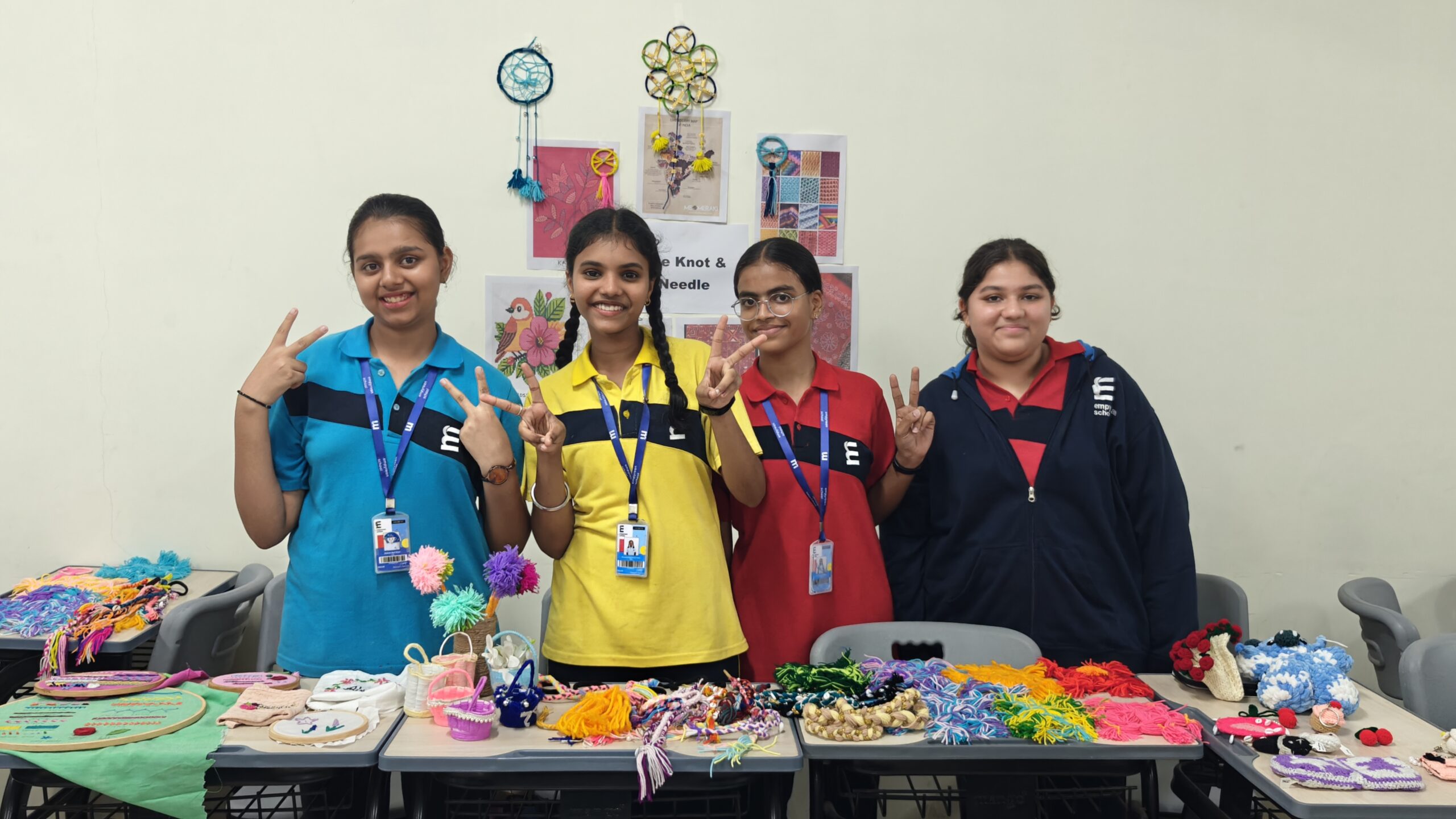
Communication, collaboration, critical thinking, creativity, responsibility and perseverance are examples of skills that children can develop through meaningful learning experiences.
Why is this important?
The world children will enter after school will require them to work with others, communicate ideas, solve unfamiliar problems and make responsible decisions. These abilities cannot be developed effectively through memorisation alone; they need to be practised.
Education, therefore, becomes not just about what a student knows, but also about how they think, act and contribute.
The Joy of Learning: Moving Beyond Memorisation
Ask a child what they remember from school years later, and it may not always be a textbook definition. They may remember an experiment, a project, a fascinating question, a discussion or something they discovered independently.
The Joy of Learning is about nurturing that curiosity.
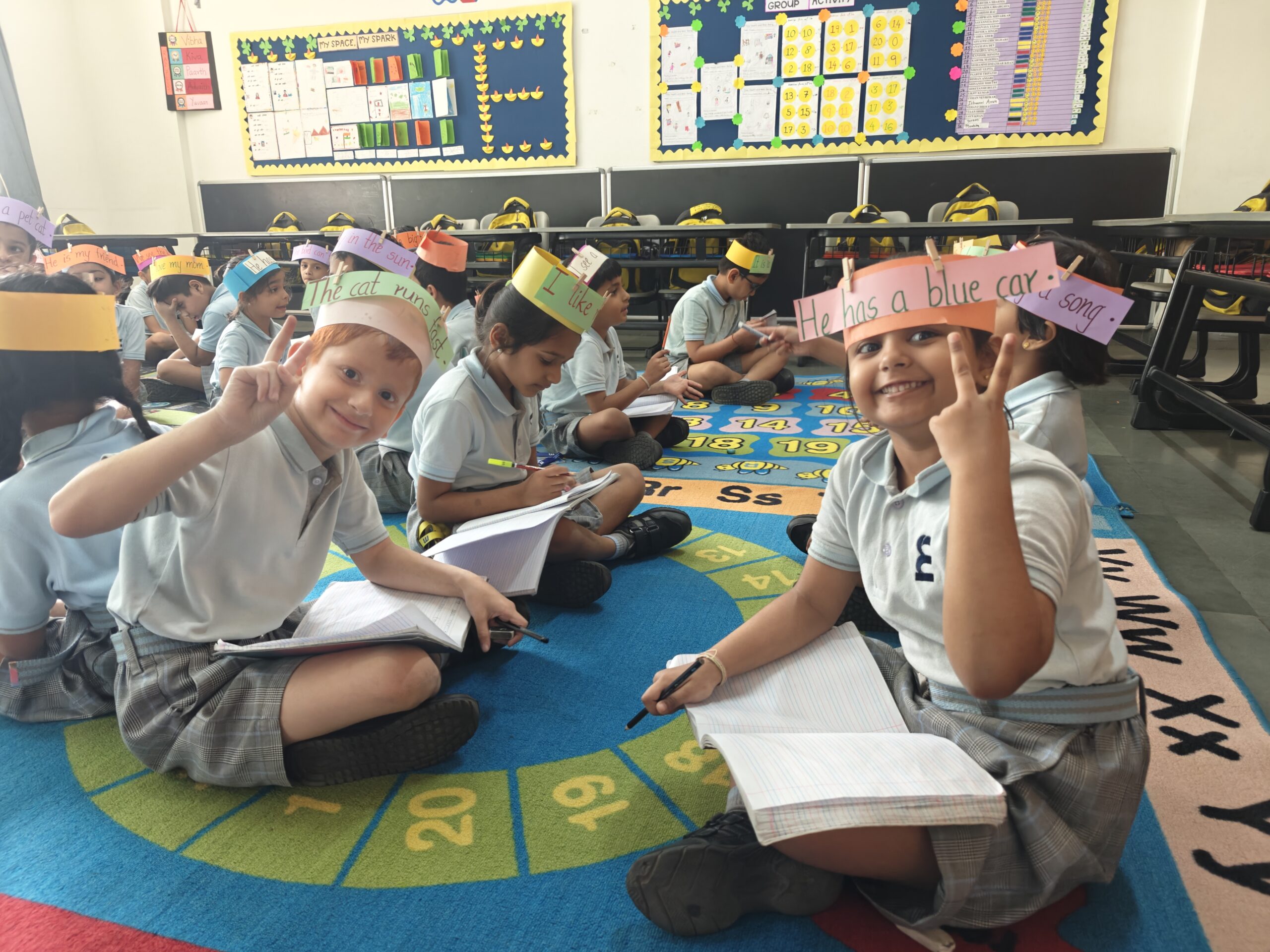
An inquiry-driven and active approach to education encourages students to ask questions, investigate ideas, collaborate and apply knowledge to meaningful situations.
Why does enjoyment matter in education?
Because curiosity encourages children to become active participants in their learning. Instead of learning only because they need to pass a test, they can begin learning because they genuinely want to understand something.
This can help develop the foundation for lifelong learning, the ability and willingness to continue discovering, questioning and growing beyond the classroom.
Social and Emotional Well-being: Teaching Children About Themselves
Academic success does not exist separately from emotional wellbeing.
Children experience excitement, frustration, anxiety, disappointment, friendship issues and self-doubt. If they are not given opportunities to understand and manage these experiences, emotions can affect how they participate and learn.
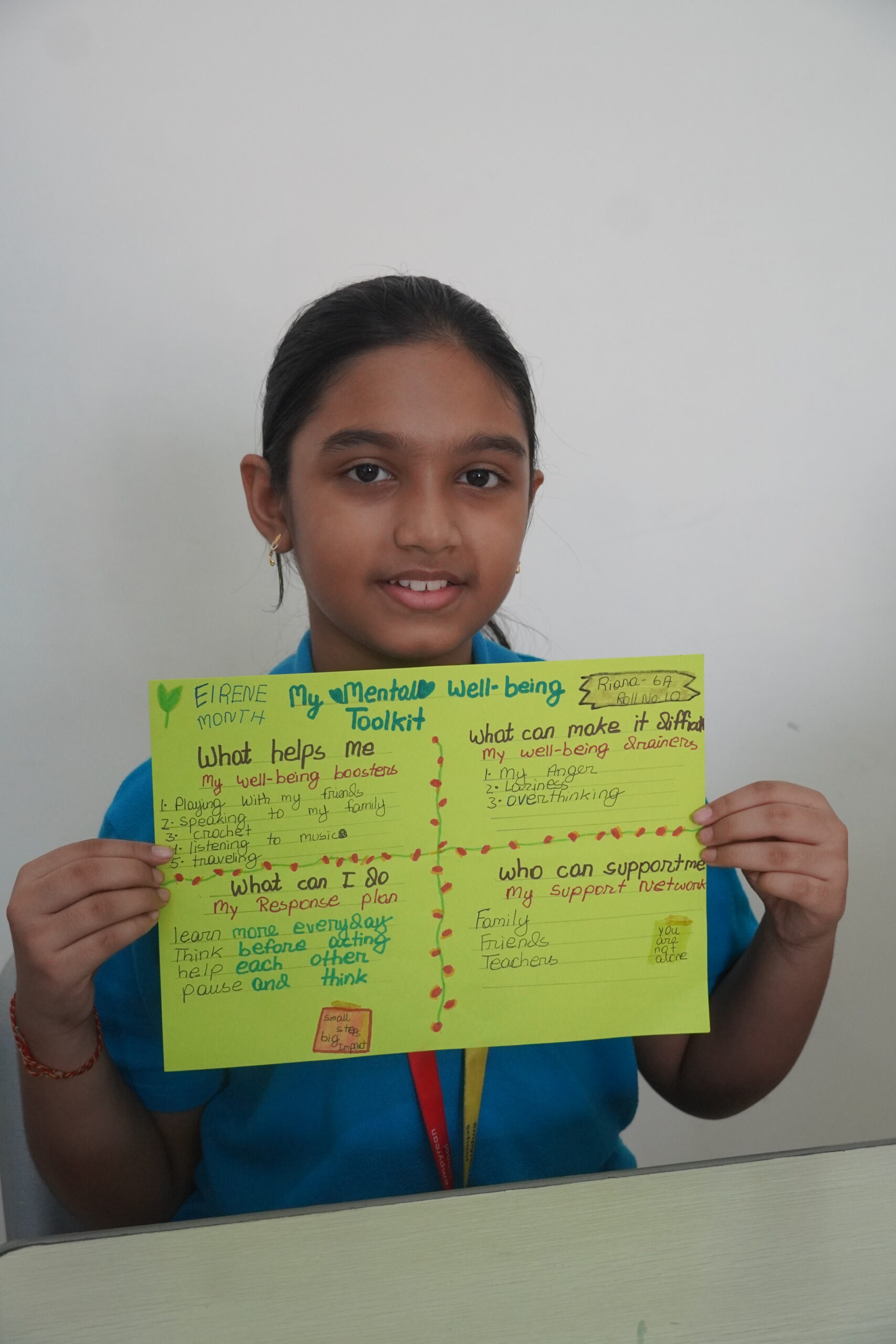
The fifth pillar, social and emotional well-being, makes emotional development an important part of education.
Empyrean’s approach to Social and Emotional Learning focuses on helping students develop awareness, connection and the ability to make thoughtful choices.
Why is this important?
Social and emotional learning can help children develop self-awareness, empathy, communication and emotional resilience. These are not simply classroom skills, they are life skills.
When children understand themselves better, they can also become more capable of understanding and responding to the needs of others.
Physical Health & Nutrition: Supporting the Whole Child
A child’s mind and body are closely connected. Physical activity, healthy habits and appropriate nutrition are therefore important components of a holistic education.
The sixth pillar, Physical Health & Nutrition, recognises that wellbeing extends beyond the classroom.
Why does this matter?
Children need energy, movement and healthy routines to participate fully in school and everyday life. Helping them understand physical wellbeing can also encourage habits that continue into adulthood.
A school focused on the whole child therefore considers physical wellbeing alongside academic, social and emotional development.
Purpose and Social Responsibility: Understanding That Education Has a Larger Role
The final pillar asks perhaps the biggest question of all:
What will children do with what they learn?
Purpose and social responsibility connect education with contribution.
Learning becomes more meaningful when children understand that their knowledge, skills and choices can have an impact on other people and the world around them.
Opportunities for community service, collaboration and real-world engagement can help students develop empathy, responsibility and leadership. Instead of simply learning about social and environmental challenges, children can begin to understand how individuals and communities can respond to them.
Why is this important?
Because education is not only preparation for personal success. It can also prepare young people to become responsible members of their communities and thoughtful contributors to society.
When Educational Philosophy Becomes Everyday Experience
The Seven Pillars are most meaningful when they move beyond statements on a website and become part of a child’s everyday experience at school.
This broader approach to education was also showcased when Empyrean School was featured in Season 3 of The Future Schools on JioHotstar. The feature offered viewers a glimpse into the school’s daily rhythm, learning environment and the philosophy behind its approach to education.
The feature provides an opportunity to see the Seven Pillars in the context of a wider educational approach, one that connects academic learning with curiosity, relationships, wellbeing, personal growth and social responsibility.
This is important because the Seven Pillars are not intended to function as seven isolated ideas. They are interconnected parts of a larger understanding of what children need in order to learn, grow and thrive.
Rethinking What School Is Really For?
School is certainly a place for academic learning. But it can also be a place where children discover their strengths, develop resilience, build meaningful relationships, understand themselves, care for their wellbeing and learn how they can contribute to the world.
That is the thinking behind Empyrean School’s Seven Pillars of Happiness, creating an educational environment where learning and wellbeing work together and where happiness is viewed as part of helping learners unlock their potential.
Ultimately, education is not only preparation for the next examination, grade or university application.
It is preparation for life, for learning continuously, navigating challenges, building relationships, making responsible choices and finding a meaningful way to contribute.
And perhaps that is what school is really for: not simply to prepare children for the next stage of education, but to help them become capable, curious, confident and purposeful human beings.