Artificial intelligence is changing the way we work, communicate, create, and solve problems. For today’s students, this means education can no longer focus only on memorising information or preparing for a predictable career path. The real question for parents and educators is, 'What skills will children need when the future itself is still evolving?'This is …
Artificial intelligence is changing the way we work, communicate, create, and solve problems. For today’s students, this means education can no longer focus only on memorising information or preparing for a predictable career path. The real question for parents and educators is, ‘What skills will children need when the future itself is still evolving?’
This is where the idea of future-ready education becomes important.
Future-ready education is not simply about putting tablets in classrooms or teaching children how to use AI tools. It is about preparing learners to think independently, adapt to change, use technology responsibly, collaborate with others, and apply knowledge to real-world situations.
For parents exploring international schools in Navi Mumbai, choosing the best CBSE school, or searching for the best middle school in Kharghar, the focus is increasingly shifting from marks alone to the broader question of how well a school prepares a child for life beyond the classroom.
Future-Ready Education Is About More Than Technology
AI can generate text, analyse data, write code, and automate routine tasks within seconds. As technology becomes more capable, distinctly human abilities become even more valuable.
A future-ready learner needs to know how to:
- Ask meaningful questions
- Evaluate information critically
- Solve unfamiliar problems
- Communicate ideas clearly
- Work effectively with others
- Adapt when circumstances change
- Use technology ethically and responsibly
In other words, the goal is not just to teach children what to think but to help them learn how to think.
Technology should therefore be treated as a tool for learning rather than the destination itself. A student may use AI to explore a topic or organise ideas, but they must still understand the subject, question the output, identify errors, and develop their own perspective.
The New Role of the Teacher
In an AI-enabled world, teachers remain essential. Their role, however, increasingly extends beyond delivering information.
A strong educator guides discussion, encourages inquiry, understands individual learning needs, and helps students connect classroom concepts with the world around them.
This student-centred approach is reflected in the learning philosophy at Empyrean School in Kharghar, where curiosity, research, collaboration, personalised support, and real-world learning form important parts of the educational experience.
Learning to Ask Better Questions
In the past, education often rewarded students for finding the correct answer. Today, when information is available almost instantly, the ability to ask the right question is equally important.
Consider a student researching climate change. Instead of simply memorising facts, a future-ready approach might encourage questions such as:
- How does climate change affect our own city?
- What data supports a particular claim?
- Which solutions are practical for our community?
- How can science, technology, policy, and individual action work together?
This kind of inquiry develops critical thinking and research skills.
At Empyrean School, interdisciplinary research and investigation projects are introduced from the primary years, helping students build inquiry skills and develop a scientific temperament.
Actionable takeaway: Parents can encourage this habit at home by asking children, “What do you think?” and “How could we find out?” rather than immediately providing the answer.
Why Real-World Learning Matters
Knowledge becomes more meaningful when students understand how to use it.
A maths lesson, for example, can move beyond solving equations on paper and explore budgeting, design, data analysis, or planning a project. A science lesson can lead to an investigation of local environmental issues. A language assignment can involve presenting research, creating a podcast, or communicating a solution to a real audience.
This is the strength of experiential and interdisciplinary learning.
The best educational experiences connect subjects instead of treating them as completely separate silos. Students begin to see how mathematics, science, communication, creativity, and technology can work together to solve a problem.
For older students, future readiness can also include internships, community service, career exploration, and portfolio building. Empyrean’s secondary programme, for instance, highlights internships, community engagement, career guidance, and opportunities that help students connect academic learning with future pathways.
AI Literacy Must Include Ethics and Judgement
Children growing up today will use AI in ways previous generations could not have imagined. But knowing how to use a tool is only one part of digital literacy.
Students also need to understand:
How AI Can Be Helpful
AI can support brainstorming, research, coding, language learning, and personalised practice. Used thoughtfully, it can make learning more efficient and accessible.
Where AI Can Go Wrong
AI-generated information may be inaccurate, incomplete, or biased. Students must learn to verify information instead of accepting every response at face value.
Why Human Responsibility Still Matters
Questions about privacy, originality, fairness, and responsible use cannot be left to technology. Schools must help learners develop the judgement required to make ethical decisions.
The future will not belong simply to those who know how to use AI. It will favour those who know when to use it, when to question it, and when human judgement matters more.
Well-Being Is a Future Skill Too
The conversation around future-ready education often focuses heavily on technology and careers. However, emotional resilience and well-being are equally important.
Students today face academic pressure, constant connectivity, and an overwhelming amount of information. The ability to manage emotions, handle setbacks, seek support, and maintain healthy relationships is essential for long-term success.
A truly future-focused school therefore recognises that academic achievement and well-being should work together.
Empyrean School describes its educational ecosystem as one where learning and well-being go hand in hand, supported by personalised academic, emotional, and career guidance.
This balance is particularly important during the middle school years, when students are developing greater independence while also navigating significant academic, social, and personal changes.
What Should Parents Look for in a Future-Ready School?
When comparing the best CBSE school options or evaluating the best middle school in Kharghar, parents can look beyond infrastructure and examination results.
Consider asking:
- Does the school encourage inquiry and independent thinking?
- Are students given opportunities to work on real-world projects?
- Is technology integrated meaningfully into learning?
- How does the school develop communication and collaboration skills?
- Are creativity, sports, arts, and leadership given importance?
- Is student well-being supported?
- Does the school provide exposure to careers and future pathways?
For families considering international schools in Navi Mumbai, the ideal learning environment may also combine strong academic foundations with a global outlook, adaptability, and exposure to different perspectives.
Preparing Children for Change, Not Just Exams
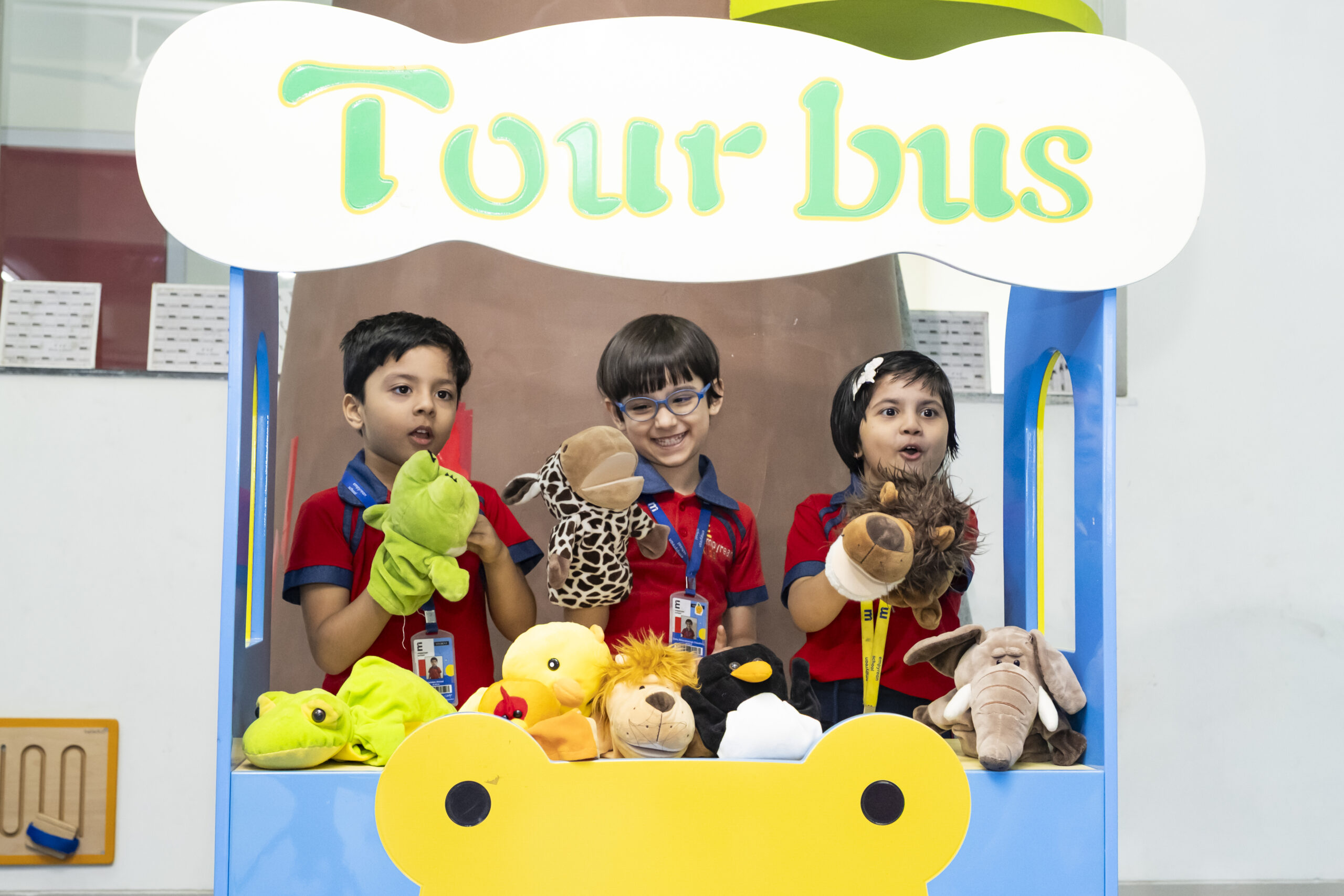
At Empyrean School in Kharghar, preparing students for the future begins with how they learn. Our project-based learning approach, introduced in the pre-primary years, gives children opportunities to question, investigate, create and revisit their ideas.
From pre-primary to Grade 2, students work on longer-term projects that allow them to explore ideas in depth. From Grade 3 onwards, projects are integrated across mathematics, science, social studies and information technology, helping students connect knowledge across subjects and apply it to real-world situations.
These experiences develop our CORRECT Skills: Communication, Organisation, Research, Reflection, Collaboration and Thinking. These skills are explicitly taught and practised across learning experiences, helping students become more deliberate about how they approach a task, work with others and evaluate their progress.
Through Research and Investigation, beginning in Grade 3, gives students opportunities to frame questions, gather evidence and draw informed conclusions. Our literacy programme complements this by developing their ability to interpret ideas and perspectives, make connections and express themselves in ways that are distinctly personal. In the era of AI, these habits matter: students need to examine the information they encounter and develop a perspective they can explain and support.
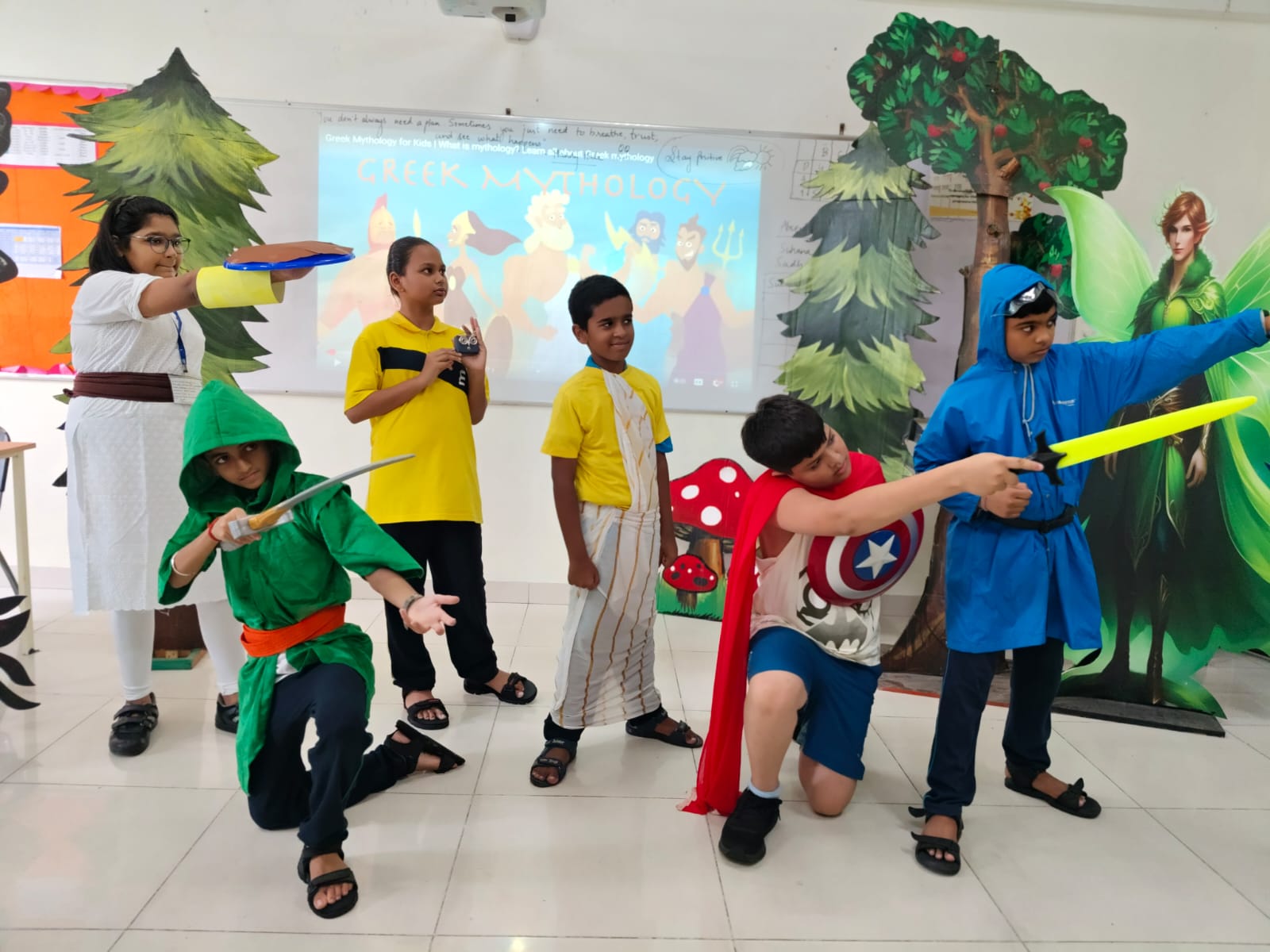
Students also practise taking responsibility for shared experiences. From Grade 4 onwards, they conceptualise and run student-led clubs around common interests, meeting weekly to plan activities and work together. This gives communication, organisation and collaboration a concrete purpose.
Reflection is another part of learning to work independently. In our pre-primary and primary Student-Led Conferences, children use their portfolios to tell the story of their learning to their parents. They practise explaining what they have learned, recognising progress and identifying what they are still working towards.
Our daily social-emotional learning programme, Eirene, creates space for students to understand emotions, consider different perspectives and build healthy relationships. Guided reflections, circle time and real-life scenarios help children practise the judgement and self-awareness they need when navigating challenges with others.
As students grow older, Career Quest connects self-understanding with exploration of the world of work. Beginning with career awareness and introspection from Grade 5, the programme includes career shadowing in Grade 8, internships from Grade 9 onwards, counselling, workshops and university fairs. Students have opportunities to explore their interests and make increasingly informed choices about their future.
Across these practices, future readiness takes shape in everyday actions: asking a thoughtful question, checking a claim, explaining a decision, responding to a setback and recognising when an approach needs to change.